A Mobile Notary - Where to find Work (Beginner)
.
Hospital and Nursing Notary Services: Why Every Healthcare Facility Needs a Professional Notary Public 🏥🩺✍️
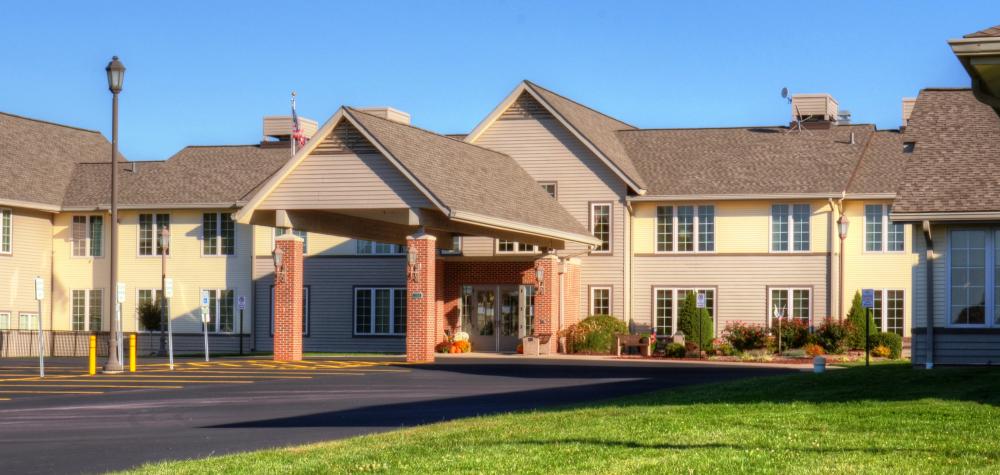 In today’s fast-paced healthcare industry, hospitals, nursing homes, rehabilitation centers, hospices, and medical facilities depend on efficiency, accuracy, and trust. One often-overlooked service that plays a major role in patient care and legal protection is the work of a professional Notary Public. From notarizing power of attorney documents to witnessing healthcare directives and medical consent forms, hospital and nursing notary services have become essential for patients, families, nurses, doctors, and administrators alike.
Whether you are searching for a mobile notary for hospitals, emergency notary services for nursing homes, or reliable healthcare document notarization, understanding the importance of notary services in medical settings can save families time, stress, and costly legal complications.
This guide explores everything you need to know about hospital and nursing notary work, including how mobile notary services support healthcare professionals, why hospitals need trusted notaries, and how patients benefit from fast, compassionate, and professional notarization services. 📋💙
What Is a Hospital Notary Public? 🏥
A hospital Notary Public is a commissioned professional authorized to witness signatures, verify identities, administer oaths, and notarize important legal documents within healthcare settings. Unlike traditional office notaries, hospital notaries often travel directly to patients’ rooms, intensive care units, nursing homes, rehabilitation centers, assisted living facilities, or hospice centers.
A mobile hospital notary specializes in working with:
Hospital patients
Nurses and healthcare staff
Elderly patients in nursing homes
Rehabilitation patients
Hospice patients
Family caregivers
Social workers
Case managers
Attorneys handling medical matters
Hospital notaries provide compassionate, patient-focused services during some of life’s most difficult and emotional moments. These professionals understand the urgency of medical situations and often provide same-day or emergency notarization services. ⏰
Why Hospitals and Nursing Facilities Need Notary Public Services
Healthcare facilities manage sensitive legal and medical documentation every single day. Without proper notarization, many important documents may not hold legal validity. This is why hospitals and nursing centers frequently depend on professional notary services.
Some of the most common reasons hospitals need a Notary Public include:
1. Medical Power of Attorney Documents
A Medical Power of Attorney allows a trusted individual to make healthcare decisions on behalf of a patient if they become unable to communicate. Hospitals often require notarized POA documents before accepting healthcare decision-making authority.
2. Advance Healthcare Directives
Advance directives outline a patient’s wishes regarding medical treatment, life support, and end-of-life care. These documents are extremely important in emergency situations.
3. Living Wills
Patients may need notarized living wills to ensure their healthcare preferences are legally recognized.
4. Insurance Documents
Insurance claims and healthcare-related legal forms often require notarization.
5. Financial Authorization Forms
Families frequently need notarized financial forms to manage bills, insurance, or medical accounts.
6. Guardianship and Custody Documents
Hospitals may require notarized guardianship paperwork involving minors or incapacitated adults.
7. Consent Forms
Some healthcare procedures involve notarized consent documents.
Professional hospital notaries help ensure these documents are executed properly and legally. 📑
The Growing Demand for Mobile Notary Services in Hospitals 🚗

The demand for mobile notary services in hospitals and nursing facilities continues to increase every year. Families today value convenience, speed, and professionalism, especially during stressful healthcare situations.
Mobile notaries travel directly to:
Hospitals
Nursing homes
Rehabilitation centers
Assisted living facilities
Hospice care facilities
Private residences
Skilled nursing facilities
This convenience eliminates the burden of transporting ill or elderly patients to an outside office.
Many patients are physically unable to leave their hospital beds, making mobile notary services not just helpful—but necessary.
A reliable mobile hospital notary can provide:
Same-day notarization
Emergency notary services
After-hours availability
Weekend appointments
Compassionate patient interactions
HIPAA-conscious professionalism
Healthcare workers and families appreciate mobile notaries who understand hospital environments and can work efficiently under pressure. 💼
Nursing Home Notary Services: Supporting Seniors with Compassion 👵👴
Nursing home residents often require notarized documents related to healthcare, finances, estate planning, and legal matters. A nursing home notary public provides critical assistance while ensuring elderly individuals feel respected and comfortable.
Common nursing home notarization requests include:
Durable power of attorney
Healthcare directives
Estate planning documents
Wills and trusts
Property transfer forms
Affidavits
Retirement account paperwork
Social Security documentation
Seniors and their families value patient, compassionate notaries who take time to explain the notarization process clearly.
A skilled nursing home notary understands:
Elder care sensitivity
Cognitive awareness considerations
Patient communication techniques
Family concerns
Healthcare facility procedures
Professionalism and empathy are essential when working in nursing environments. ❤️
How Nurses Benefit from Professional Notary Services 🩺
Nurses play a critical role in patient care coordination, documentation, and communication. Hospital notary services help nurses save valuable time while improving workflow efficiency.
Here are several ways nurses benefit from professional mobile notaries:
Reduced Administrative Stress
Nurses already manage heavy workloads. Mobile notaries help reduce the burden of locating legal services for patients and families.
Faster Patient Discharge Planning
Certain legal documents must be completed before discharge or transfer to long-term care facilities.
Better Family Communication
Families often feel overwhelmed during medical emergencies. A professional notary provides guidance and reassurance.
Improved Patient Satisfaction
Convenient in-room notarization creates a smoother patient experience.
Emergency Assistance
Patients in critical condition may need urgent legal documentation completed immediately.
By partnering with experienced hospital notaries, healthcare staff can focus more fully on patient care. 🙌
Qualities of a Great Hospital Notary Public ⭐
Not every Notary Public is equipped to handle hospital or nursing facility environments. Healthcare settings require professionalism, patience, sensitivity, and strong communication skills.
The best hospital notaries possess:
Compassion
Patients and families may be facing emotional or life-changing situations.
Professionalism
Healthcare facilities expect respectful, organized, and dependable service.
Flexibility
Hospital schedules can change rapidly.
Attention to Detail
Errors in legal documents can create major complications.
Patience
Elderly or ill patients may require additional time.
Knowledge of State Notary Laws
Professional notaries understand identity verification, competency requirements, and legal procedures.
Reliability
Emergency healthcare situations often require urgent response times.
A dependable hospital notary becomes a trusted resource for families and medical professionals alike. 🤝
Understanding Patient Awareness and Competency During Notarization
One of the most important responsibilities of a hospital Notary Public is determining whether a patient is mentally aware and willing to sign documents.
A notary must ensure:
The patient understands the document
The patient is signing voluntarily
The patient is mentally competent
Proper identification is provided
Hospital notaries cannot notarize documents for unconscious or heavily sedated patients.
This makes professionalism and ethical judgment incredibly important in healthcare notarization.
Experienced hospital notaries work closely with nurses, doctors, and family members to confirm patients are alert and aware during the signing process. ⚖️
Emergency Hospital Notary Services 🚨
Medical emergencies happen unexpectedly. Families may suddenly realize important legal paperwork has not been completed.
Emergency mobile notary services help families quickly handle urgent documentation such as:
Power of attorney
Advance directives
Living wills
Guardianship forms
Medical authorizations
Many mobile notaries offer:
24-hour service
Weekend appointments
Holiday availability
Rapid hospital response
Emergency hospital notary services provide peace of mind during stressful moments.
Families appreciate knowing help is available when time matters most. ⏳
HIPAA Awareness and Confidentiality in Hospital Notary Work 🔒
Healthcare environments involve sensitive personal information. Professional hospital notaries must respect patient privacy and confidentiality at all times.
While notaries are not typically HIPAA-covered entities themselves, experienced healthcare notaries understand:
Privacy expectations
Confidential communication
Respectful patient interactions
Secure document handling
Professionalism builds trust between notaries, hospitals, patients, and families.
Healthcare facilities prefer working with notaries who understand the importance of discretion and ethical behavior. 💙
Benefits of Hiring a Mobile Notary for Hospitals and Nursing Homes
There are many reasons hospitals, nurses, social workers, and families choose mobile notary services.
Convenience
Patients do not need transportation.
Time Savings
Documents can be completed quickly on-site.
Stress Reduction
Families avoid additional logistical challenges.
Flexible Scheduling
Many mobile notaries offer evenings and weekends.
Professional Guidance
Experienced notaries help ensure documents are completed properly.
Improved Accessibility
Bedridden or disabled patients can receive services comfortably.
Mobile notary services provide practical solutions for busy healthcare environments. 🚗📋
Common Documents Notarized in Hospitals and Nursing Facilities
Healthcare notaries regularly handle many different document types.
Common hospital notarization requests include:
Medical Power of Attorney
Durable Power of Attorney
Advance Healthcare Directive
Living Will
Estate Planning Documents
Affidavits
Insurance Forms
Property Documents
Trust Documents
Healthcare Authorization Forms
Financial Agreements
Guardianship Papers
Consent Forms
Travel Consent Letters
Each document requires careful attention and proper notarization procedures.
Choosing an experienced healthcare notary helps avoid costly mistakes. ✍️
Why Families Trust Mobile Hospital Notaries ❤️
Families dealing with medical emergencies often feel overwhelmed emotionally and mentally.
A compassionate mobile notary can make a difficult situation easier by:
Providing clear communication
Arriving promptly
Offering flexible scheduling
Remaining patient and understanding
Helping reduce stress
Professional hospital notaries understand they are serving people during vulnerable moments.
This human-centered approach builds trust and reassurance.
Families remember notaries who demonstrate kindness, professionalism, and compassion. 🌟
Building Partnerships Between Hospitals and Mobile Notaries
Many hospitals and nursing facilities benefit from establishing relationships with reliable mobile notaries.
Strong partnerships help:
Streamline patient services
Improve discharge planning
Support social workers
Assist case managers
Reduce administrative delays
Increase patient satisfaction
Hospitals often maintain referral lists of trusted mobile notaries for patients and families.
Professional notaries who consistently provide reliable service can become valuable long-term healthcare partners. 🤝
SEO Benefits for a Hospital Notary Business 🌐
If you operate a mobile notary business specializing in healthcare settings, search engine optimization (SEO) is essential for attracting clients online.
Potential customers often search using terms such as:
Hospital notary near me
Mobile notary for hospitals
Nursing home notary services
Emergency mobile notary
Healthcare notary services
24-hour hospital notary
Mobile notary public near me
Same-day notary service
Optimizing your website and blog content with these keywords can help your business appear higher in search engine results.
Important SEO strategies include:
Local SEO Optimization
Include your city, county, and surrounding service areas.
Google Business Profile
Maintain updated contact information, hours, and reviews.
Blogging Consistently
Educational blog posts help improve website visibility.
Mobile-Friendly Website Design
Most customers search on smartphones.
Positive Customer Reviews
Strong reviews improve online credibility.
Social Media Marketing
Facebook, Instagram, and LinkedIn help increase brand awareness.
Healthcare-related notary services are highly searchable online, making SEO a powerful business growth tool. 📈
How to Choose the Right Hospital Notary Public
Finding the right mobile hospital notary is extremely important.
When choosing a healthcare notary, look for:
Experience in Medical Settings
Healthcare environments require specialized professionalism.
Strong Reviews
Positive online reviews help demonstrate reliability.
Availability
Emergency and after-hours service may be necessary.
Professional Appearance
A polished and respectful presentation matters.
Communication Skills
Clear communication helps patients and families feel comfortable.
Knowledge of State Laws
Accurate notarization protects legal validity.
Choosing a dependable mobile notary ensures smoother document processing and peace of mind. ✅
The Emotional Side of Hospital and Nursing Notary Work 💙
Hospital notary work is more than signatures and stamps.
It often involves helping people during deeply emotional life moments:
Serious illness
Surgery preparation
End-of-life planning
Family emergencies
Long-term care transitions
Professional notaries frequently witness acts of love, trust, and family support.
This type of work requires empathy, patience, and emotional intelligence.
A caring notary can help families feel supported during challenging times.
The ability to provide calm, compassionate assistance makes healthcare notary work uniquely meaningful. 🌸
Why Mobile Notary Services Continue to Grow in Healthcare
Healthcare systems continue evolving, and convenience-based services are becoming increasingly valuable.
Several factors contribute to the growing demand for hospital and nursing home notaries:
Aging populations
Increased healthcare documentation
Rising demand for mobile services
Greater awareness of advance directives
Busy hospital environments
Increased legal documentation requirements
Mobile notaries provide practical, flexible solutions that fit modern healthcare needs.
As hospitals continue prioritizing patient-centered care, mobile notary services will remain an important resource. 🚀
Tips for Preparing for a Hospital Notary Appointment 📝
To help ensure a smooth notarization appointment, patients and families should:
Bring Valid Identification
Government-issued photo identification is usually required.
Review Documents in Advance
Patients should understand what they are signing.
Confirm Patient Awareness
The signer must be alert and willing.
Coordinate with Nurses if Necessary
Scheduling around treatments may help reduce interruptions.
Prepare Witnesses if Required
Certain documents may require witnesses in addition to notarization.
Preparation helps create a faster and more efficient process for everyone involved.
Marketing Your Mobile Notary Services to Hospitals and Nursing Facilities 📣
If you are a mobile Notary Public seeking to expand into healthcare settings, strategic marketing can help grow your business.
Effective marketing ideas include:
Networking with Social Workers
Social workers frequently coordinate patient documentation needs.
Building Relationships with Case Managers
Case managers often assist families with legal paperwork.
Creating SEO Blog Content
Educational content improves online visibility.
Using Social Media
Share informative posts about hospital notarization.
Offering Professional Business Cards and Flyers
Leave materials with healthcare offices.
Encouraging Online Reviews
Positive reviews increase credibility.
Creating a Professional Website
A clean, informative website builds trust.
Healthcare-focused notary services offer excellent opportunities for business growth and community impact. 🌟
Final Thoughts on Hospital and Nursing Notary Services ✍️🏥
Hospital and nursing notary services provide an essential bridge between healthcare, legal documentation, and compassionate support.
From emergency medical power of attorney documents to advance healthcare directives and nursing home paperwork, professional mobile notaries help patients and families navigate important life decisions with confidence.
Reliable healthcare notaries support:
Patients
Families
Nurses
Social workers
Hospitals
Nursing facilities
Rehabilitation centers
Hospice programs
The ability to deliver fast, professional, and compassionate notarization services makes mobile healthcare notaries invaluable in today’s medical world.
Whether you are searching for a hospital notary near you, exploring nursing home notary services, or growing your own mobile notary business, one thing is clear: trusted notary services continue to play a vital role in healthcare environments.
When professionalism meets compassion, everyone benefits. 💙📋
If you need dependable mobile notary services for hospitals, nursing homes, rehabilitation facilities, or healthcare settings, working with an experienced Notary Public can help ensure your important documents are completed accurately, legally, and efficiently.
Healthcare situations can be stressful, but the right mobile notary can provide peace of mind when it matters most. 🌟
A Beginner Story: Compassionate day 🌟
It was a quiet Tuesday morning when I checked her notary bag for what felt like the tenth time. Inside: my stamp, journal, pens, a clipboard, and a stack of acknowledgment forms I had reviewed over and over again the night before. I had passed her commission only three weeks ago, and although I had practiced on friends and family, today was different.
Today was my first real assignment at a nursing home,
A nursing home in the outskirts of the city had requested a mobile notary for an Advance Healthcare Directive signing. I had read about these documents in training—legal instructions that allow a person to state their medical wishes and appoint someone to make healthcare decisions if they become unable to. She understood the theory. But stepping into a real room, with real families and real emotions, felt entirely different.
The facility smelled faintly of disinfectant and lavender air freshener. Soft television noise hummed from a common room down the hall. A nurse at the front desk smiled kindly and pointed her toward Room 214.
“This one’s for Mr. Ellison,” she said. “His daughter is here with him. They’ve been expecting you.”
I nodded, suddenly aware of her heartbeat.
Room 214 was quiet except for the soft beeping of a monitor. Mr. Ellison, an elderly man with silver hair and tired but alert eyes, sat propped up in bed. Beside him was his daughter, Lisa, holding a folder tightly against her chest.
“Hi,” I said gently. “I’m 🌹, the public notary.”
Lisa stood immediately, offering a relieved smile. “Thank you for coming. We weren’t sure how this worked, but the social worker said we needed a notary for the advance directive.”
I set her bag down carefully. “That’s right. I’ll walk you through everything step by step.”
She pulled out the documents, her hands steady even though she didn’t feel completely steady inside. She reminded herself of her training: verify identity, confirm willingness, ensure awareness, watch for coercion, and remain impartial.
“Mr. Ellison,” she said softly, turning toward him, “do you know what document we’re signing today?”
His voice was thin but firm. “My healthcare directive. I want my daughter to make decisions if I can’t.”
Maya nodded. “And are you signing this of your own free will today?”
“Yes,” he said without hesitation.
Lisa squeezed his hand, tears forming but not falling. “He’s been very clear about this for months,” she added.
I proceeded carefully, asking the required questions, checking identification, and reviewing each page. The directive included instructions about life-sustaining treatment, resuscitation preferences, and organ donation wishes. Each section carried weight far beyond ink on paper.
At one point, I paused.
“This section appoints your healthcare agent,” she said. “Lisa, you are listed here. Do you understand the responsibility you’re accepting?”
Lisa swallowed hard. “Yes. I’ve talked with him about everything. I just want to honor what he wants.”
I noticed the way Mr. Ellison looked at his daughter—not with fear, but with trust. It reminded me why these documents mattered so much. They weren’t just legal forms. They were conversations about dignity, about control, about love in its most practical form.
When it was time to sign, I carefully positioned the documents on the tray table. I watched as Mr. Ellison’s hand trembled slightly while holding the pen. Lisa instinctively moved to steady the paper, but Maya gently said, “It’s okay. Take your time.”
The room grew quiet except for the faint hum of the monitor.
One signature. Then another. Then Lisa signed as the healthcare agent.
Finally, it was my turn.
I raised my notary seal, my thumb hovering for just a moment. This was it—the moment I had studied for, practiced for, and now lived.
“I, 🌹,” I said softly to myself as she completed the certificate, “do hereby certify…”
The stamp clicked onto the paper with a decisive thud.
It was done.
But instead of feeling like a bureaucratic task completed, I felt something unexpected settle over me: responsibility.
Not just for verifying identities or stamping documents—but for the trust people placed in this process during some of the most vulnerable moments of their lives.
Lisa exhaled, wiping her eyes. “That’s it?”
I smiled gently. “That’s it. Your directive is now properly notarized.”
Mr. Ellison leaned back, visibly relieved. “Thank you,” he said quietly. “That matters more than you know.”
As I packed her bag to leave, Lisa walked her to the door.
“You did really well,” Lisa said. “I could tell this was your first time.”
I laughed softly, a little surprised. “Was it that obvious?”
“No,” Lisa said. “You just… cared.”
On the walk back to her car, I looked down at my notary journal. One entry. One signature. One life moment legally secured.
She realized then that she hadn’t just started a job.
She had stepped into people’s stories at the exact point where clarity mattered most.
And tomorrow, there would be another call.
🌹
Disclaimer: The information provided in this blog is for informational and entertainment purposes only. It is not intended as legal advice, and readers should consult a qualified attorney or legal professional for guidance on notarization, adoption paperwork, or any legal matters. While we strive for accuracy, laws and regulations may vary by state and change over time. Always verify legal requirements with the appropriate authorities before proceeding with any notarial act.

Comments
Post a Comment